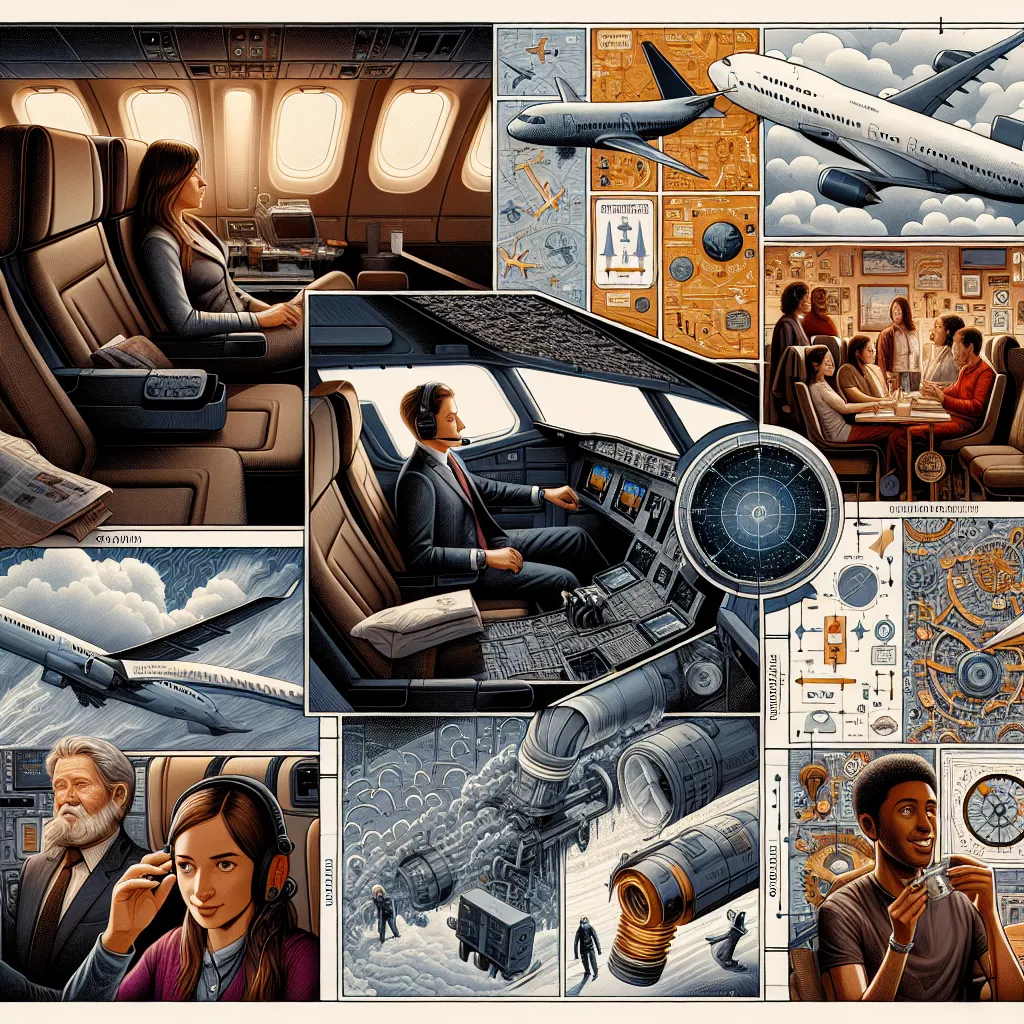
Title: “Surviving at 35,000 Feet: 10 Unexpected Truths About Air Travel That Will Change the Way You Fly Forever!”
Subheading: The Unseen Reality of Air Travel
Air travel is a marvel of modern engineering, whisking us across continents and oceans in mere hours. But behind the convenience and glamour, there are unexpected truths that can revolutionize your flying experience. Here are ten of them:
1. The Air You Breathe is Engine Air
Most commercial aircraft use a system called ‘bleed air,’ which draws in outside air, compresses it with the plane’s engines, cools it down, and then circulates it in the cabin. This process ensures the cabin air remains fresh and breathable throughout your flight.
2. Planes Can Fly on One Engine
Commercial airplanes are designed to fly safely even if one engine fails. This redundancy is part of the rigorous safety measures in aviation, ensuring you reach your destination safely, even in the face of unexpected issues.
3. Your Seat Could Save Your Life
The brace position, recommended during turbulence or an emergency landing, is scientifically proven to reduce the risk of injury. So, pay attention to those safety demonstrations!
4. Jet Lag is More Than Just Sleepiness
Jet lag can disrupt your sleep patterns, yes, but it can also affect digestion, mood, and cognitive function. To minimize its impact, adjust your sleeping and eating schedule to your destination a few days before you fly.
5. Your Taste Buds Change at High Altitudes
The dry cabin air and the white noise in the background can dull your sense of taste and smell. This is why airplane food often tastes bland, and why tomato juice is a popular drink – it’s rich in umami, the savory flavor that remains unaffected by altitude.
6. Flying Dehydrates You
The humidity in an airplane cabin is typically lower than most deserts. To prevent dehydration, drink plenty of water and avoid alcohol and caffeine.
7. The Dirtiest Place is Not the Bathroom
Studies show that tray tables harbor more germs than the lavatory. Wipe down surfaces with a disinfectant wipe to keep germs at bay.
8. Pilots and Co-Pilots Eat Different Meals
To reduce the risk of food poisoning affecting both pilots, they are required to eat different meals. Another safety measure that ensures your flight is in good hands.
9. Turbulence Isn’t Dangerous
Turbulence might be uncomfortable, but it’s not dangerous. It’s caused by natural weather phenomena and modern aircraft are designed to withstand even severe turbulence.
10. The Real Reason for Dimmed Lights
Dimming the cabin lights during takeoff and landing is a precautionary measure. In case of an emergency evacuation, your eyes will already be adjusted to the darkness.
Conclusion: Embracing the Journey
Understanding these unexpected truths can transform your air travel experience. Not only will you feel safer and more comfortable, but you’ll also gain a deeper appreciation for the marvel of flying. So, on your next trip, remember these tips, sit back, and embrace the journey at 35,000 feet.