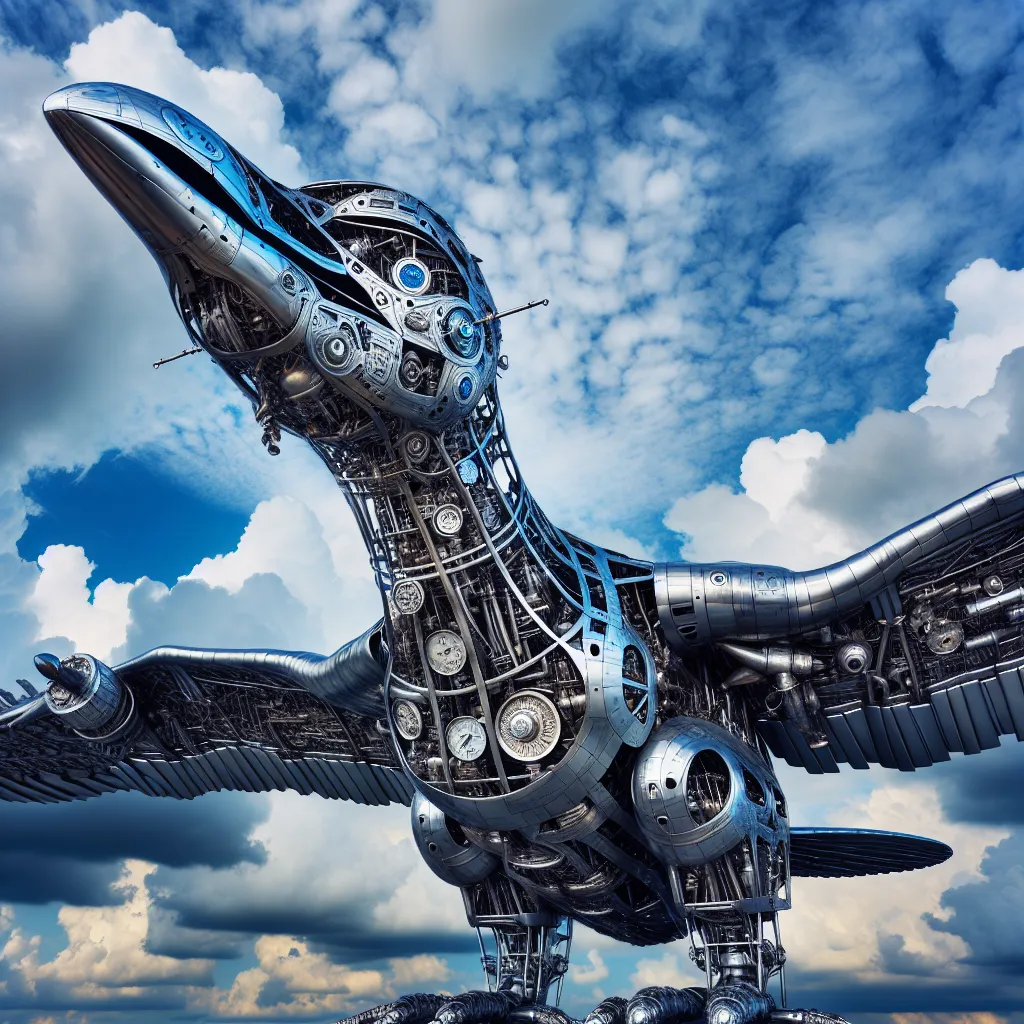
Title: “The Marvel of Air Travel: Unraveling the Secrets of Flying”
Introduction:
Air travel is a fascinating phenomenon that has revolutionized our world. The sight of a 400-ton metal bird soaring through the sky is a testament to human ingenuity and technological advancement. But how does it all work? Let’s delve into the captivating world of aviation and unravel the secrets behind this modern marvel.
The Principle of Flight:
The fundamental principle that makes flight possible is known as Bernoulli’s Principle. It states that as the speed of a fluid (in this case, air) increases, its pressure decreases. This principle is applied in the design of an airplane’s wings, also known as airfoils. The top surface of the wing is curved, while the bottom surface is flat. This design causes air to move faster over the top, creating lower pressure, which lifts the plane into the sky.
The Role of Engines:
Engines play a crucial role in propelling the aircraft forward. Modern commercial airplanes use jet engines, which work on the principle of thrust. They suck in large amounts of air, compress it, mix it with fuel, and ignite it. The resulting force propels the airplane forward, overcoming drag and enabling sustained flight.
Navigational Systems:
Navigational systems are the eyes and ears of an aircraft. They include GPS for global positioning, radar for detecting other aircraft or obstacles, and altimeters for determining altitude. These systems are crucial for ensuring safe and efficient flights.
Air Travel’s Impact on Globalization:
Air travel has been a key driver of globalization, shrinking distances and connecting people across continents. It has transformed trade, tourism, and international relations, making it possible to reach any part of the globe within hours.
Environmental Considerations:
While air travel has numerous benefits, it also poses environmental challenges. Aircraft emissions contribute to climate change, and noise pollution affects communities near airports. The aviation industry is actively working on solutions, such as more fuel-efficient engines and alternative fuels, to mitigate these impacts.
Conclusion:
Air travel is a marvel of modern technology that has transformed our world, making it more connected and accessible. Understanding the principles behind it not only satisfies our curiosity but also underscores the importance of continued innovation in this field. As we move forward, the challenge lies in harnessing this technology in a way that balances its benefits with its environmental impacts. It’s an exciting journey, and we’re all aboard for the ride.