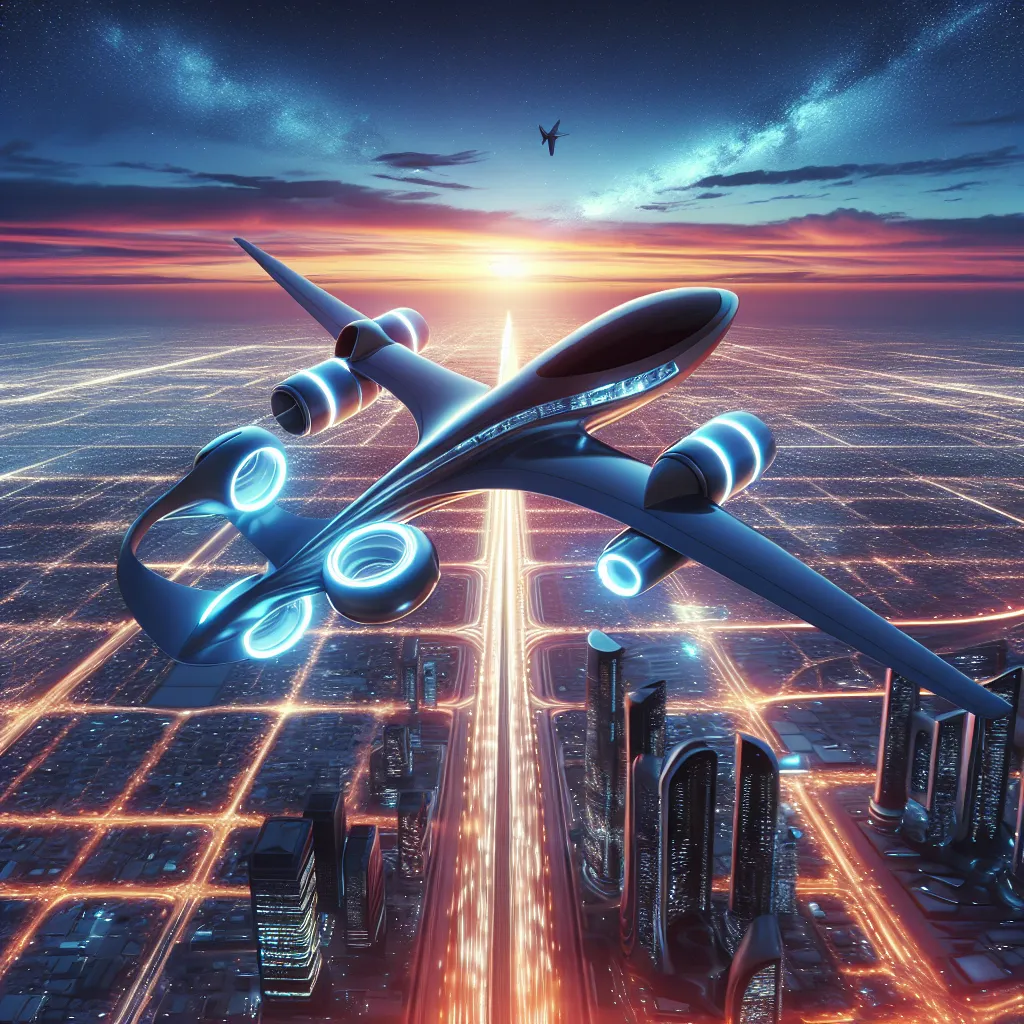
Title: “The Science and Future of Air Travel: Unveiling the Secrets of the Skies”
Subheading: Unraveling the Mystery of Flight
The science behind flight is a marvel that has fascinated mankind for centuries. How does a 600,000-pound aircraft defy gravity and soar through the skies? The answer lies in the principles of physics and engineering, specifically the laws of lift, drag, thrust, and weight.
Aircraft wings are designed in an airfoil shape, with a curved upper surface and a flatter lower surface. This design creates a pressure differential – higher pressure beneath the wing and lower pressure above it. According to Bernoulli’s principle, this pressure difference generates lift, propelling the aircraft upwards.
Subheading: The Role of Engines and Fuel
The engines play a crucial role in maintaining flight. They provide the necessary thrust to overcome drag, the resistance exerted by the air against the forward movement of the aircraft. Jet engines, for instance, suck in air at the front, compress it, mix it with fuel and ignite it. The resulting force propels the aircraft forward.
Fuel efficiency is a significant aspect of modern aviation. Advances in technology have led to the development of lighter, more efficient engines and the use of sustainable biofuels. These innovations not only reduce the environmental impact of air travel but also make it more economical.
Subheading: Navigating the Skies
Aircraft navigation is a complex process involving various systems and technologies. Pilots utilize GPS, radar, and onboard instruments to determine their position, direction, and speed. Air traffic control towers guide aircraft during takeoff, flight, and landing, ensuring safe and efficient travel.
Subheading: The Future of Air Travel
The future of air travel promises to revolutionize our journeys. Concepts like electric planes, supersonic jets, and autonomous aircraft are no longer confined to the realm of science fiction.
Electric planes, powered by batteries or hydrogen fuel cells, offer a sustainable alternative to traditional jet fuel. Supersonic jets, capable of traveling faster than the speed of sound, could drastically reduce flight times. Autonomous aircraft, guided by artificial intelligence, could potentially eliminate the risk of human error.
Subheading: The Impact on Passengers
These advancements will greatly enhance the passenger experience. Reduced flight times, lower ticket prices due to increased fuel efficiency, and the potential for personalized travel routes are just some of the benefits we can anticipate.
In conclusion, the science behind air travel is both fascinating and complex. It combines principles of physics, engineering, and technology to enable a 600,000-pound aircraft to soar through the skies. As we look to the future, continued innovations promise to make air travel more efficient, sustainable, and enjoyable. So, next time you board a plane, take a moment to appreciate the marvel of flight and the exciting possibilities that lie ahead.